
Benefits of Thermal Management Systems
You should remember that thermal management systems are essential for controlling temperature in industrial equipment, vehicles and buildings by regulating heat transfers through various components such as sensors, thermostats and cooling circuits.
We are using them to boost energy efficiency, reduce emissions and ensure overall performance across manufacturing, automotive and residential applications. The main idea is to understand the benefits that will help you choose the right solutions for your needs and preferences.
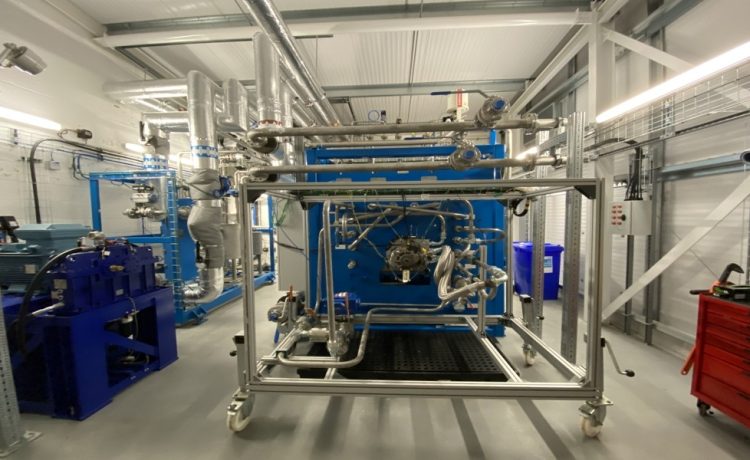
You should remember that thermal management systems are specific engineered solutions that control temperature by managing heat transfer within systems. These industrial thermal management systems use thermostats, pumps, temperature sensors and fluid circuits to maintain optimal operating temperatures across manufacturing, automotive and commercial applications.
These systems work by monitoring temperature through automatically and sensors that are adjusting coolant flow, heating elements and valve positions to maintain desired thermal conditions. In automotive applications, they tend to regulate engine cooling systems as well as other forms of temperature control.
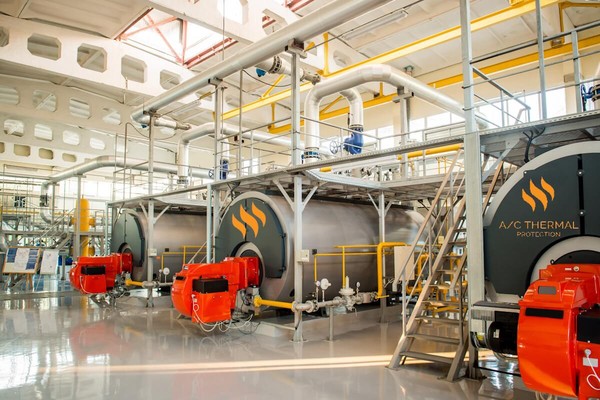
Industrial thermal management systems tend to manage heat in the processes, while residential applications and cooling in buildings require sophisticated regulations. The core principle involves thermal regulations through precise control of distribution. When temperature rises above set points, the system activates mechanisms.
As soon as temperature drops, heating elements and retention strategies tend to engage. This monitoring and adjustment ensure that equipment operates within safe temperature range while you can maximize efficiency.
Importance of Industrial Cooling in Manufacturing
It is important to remember that effective cooling systems are essential to maintain stable production environments across a wide array of processes. Excess heat generated by chemical reactions and equipment can disrupt workflows, compromise product quality and damage machinery. You should check out more about Getec, which will offer you more info.
Industrial cooling can mitigate such risks by regulating temperatures to ensure consistent results and smooth operations. At the same time, cooling plays a crucial role in preventing expensive repairs and downtime. Overheated equipment is not only inefficient but also lead to mechanical failures, which may lead to disruption in production.
Regarding reliable cooling solution, you should know that the process would improve operational efficiency, which will extend the lifespan of machinery while reducing overall maintenance. Temperature consistency is equally crucial for maintaining product quality.
In sectors like automotive, pharmaceuticals and food, beverage productions, that is slight fluctuations in temperature that can lead to spoilage and defects. When you invest in a high-performance cooling system, which means you can safeguard their products, boost overall satisfaction and comply with stringent industry standards.
Essential Applications of Industrial Cooling
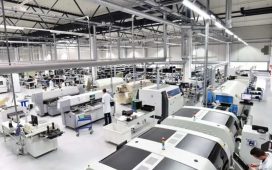
Industrial cooling is essential for numerous spectrums of manufacturing processes, meaning you can ensure the equipment efficiency, operational stability and product quality. From chemical productions, precision engineering and other factors, you should know that each industry comes with specific cooling demands that require tailored solutions.
It is important to ensure the consistent mold temperature especially when it comes to injection molding, which will allow you to ensure the precise defect-free products altogether. Remember that overheating can lead to material production delays and inconsistencies.
You can find wide array of advanced systems that can help you regulate temperature with accuracy. That way, you can improve cycle time, which is why you should reduce the waste among other things.
When it comes to metalwork to component assembly, you should know that automotive manufacturing tends to rely on industrial cooling to deal with heat-intensive tasks. You can learn a few things about systems that will allow you to prevent overheating while welding, painting and stamping processes that will ensure high quality output and durability.
Temperature control is crucial in pharmaceutical manufacturing, especially because you should find ways to preserve overall integrity of sensitive compounds. You should ensure cooling reaction vessels by maintaining cleanroom environments. That way, you can get precise and reliable systems that will help you meet the stringent requirements of the sector.
Industrial cooling is essential for maintaining freshness during beverage and food production, which is important to remember. Our tailored systems tend to address temperature regulations for pasteurization, bottling and cold storage, which will allow you to ensure with compliance with safety standards and ensure product consistency.
Chemical manufacturing involves heat reactions that require effective cooling so you can prevent severe temperature spikes. Cooling bespoke solutions can safely manage the products, which will improve overall efficiency and ensure strict safety protocols.
The production of rubber and plastic depends on maintaining precise temperatures during curing and extrusion. Our systems ensure optimal conditions, which will help you improve production output and reduce material defects.
The same thing goes with electronic manufacturing, because the demand is continually increasing so you can maintain the quality of sensitive components such as semiconductors. The advanced cooling solutions can minimize heat damage, which will ensure reliability throughout the processes.
Benefits of Customized Cooling Solutions
You can invest in customized cooling system, which will provide you with a targeted approach to reduce operational expenses and enhance efficiency altogether. The main idea is to address the unique requirements of your manufacturing processes, while systems can optimize temperature regulations.
At the same time, you can minimize energy consumption, which will help you combat rising utility expenses. Modern systems are integrating energy-efficient and advanced technologies that not only lower running expenses but also align with sustainability goals. You can meet strict industry regulations.
Remember that tailored solutions can reduce maintenance requirements and downtime by improving equipment performance and ensure consistent cooling, which enhanced product quality and protects machinery.
Scalability is another essential benefit of using cooling processes in the manufacturing sector, which is important to remember. That way, your design can adapt and evolve production processes and business demands. By maximizing reliability, you can reduce supporting compliance and waste with environmental standards.
You should know that the process could help you ensure long-term savings and competitive edge in dynamic markets. The main idea is to customized cooling solutions to ensure strategic investments. They should deliver superior efficiency, flexibility and cost savings compared with standard systems.