
The first frozen drain call I ever took came from a rancher outside Falcon at 6:40 on a January morning. His kitchen sink had been draining slow for three weeks, and he figured it was the usual grease. It was ice in a vent pipe, which is a different animal entirely. Most homeowners never consider that the coldest month of the year is also the harshest month for the pipes under their house.
Here is the good news. You do not need a plumbing license to prevent most of it. What you need is a rough understanding of what cold does to a drain line, and a short list of habits that cost you almost nothing. A homeowner who spends twenty minutes on the right maintenance routine avoids most of what lands on my van in February. If something does plug up, calling a pro early beats waiting until a sink backs up into a dishwasher, and a service like this Mr. Rooter Plumbing of Colorado Springs $95 drain cleaning service exists exactly for that kind of fast help.
I have spent years working drain and sewer lines along the Front Range, so this is the version I would hand to my own neighbors. It covers why cold breaks things, what to do before the first hard freeze, what to do the moment a drain slows down, and when to stop and call someone.
Why Cold Air Is Tough on Colorado Drains
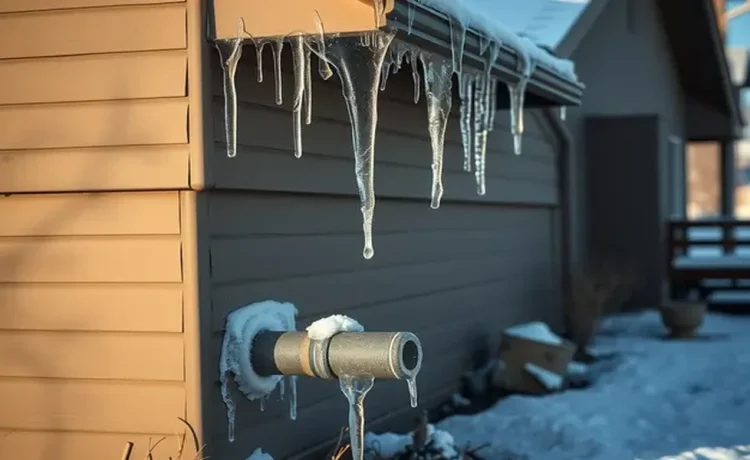
Water expands when it freezes, and a drain pipe is a closed tube. That is the whole problem in two clauses. Ice does not need to fill a pipe to cause trouble either. A ring of ice an inch thick narrows the passage enough that grease, soap scum, and hair start catching on it like a net.
Colorado Springs runs into a second issue that coastal plumbers rarely see. Our soil has a lot of clay in it, and clay shifts when it gets saturated and then freezes overnight. That movement is hard on the joints where one section of pipe meets another. Small cracks that open during a freeze thaw cycle let in fine soil, and soil turns a slow drain into a blocked one.
Then there is the altitude. Freeze depth in our region goes deeper than it does in, say, Texas, so builders bury lines further down and wrap them differently. It also means your exterior pipes are doing fine right up until a night that drops faster than anyone forecast. The National Weather Service is your best friend here. Watch the overnight low, not the daytime high, because the pipes only care about what happens between midnight and sunrise.
The honest version: if your drain has been sluggish since October, winter just makes an existing problem loud enough to notice. That is the real story nine times out of ten.
What to Do Before the First Hard Freeze
You have a small window in late fall, usually right after the first leaf drop and before the ground locks up. Use it. This is the checklist I run on my own house every year.
- Disconnect every garden hose from its spigot, then shut off the interior valve that feeds that line and drain it.
- Walk the basement and crawlspace and find any pipe that runs along an exterior wall. Foam sleeves are cheap, and a hardware store sells them by the armful.
- Open the cabinet doors under bathroom and kitchen sinks on the coldest nights so warm indoor air reaches the pipes.
- Pour a kettle of hot, not boiling, water down the kitchen drain once a week. It keeps grease from hardening in place.
- Drop a mesh strainer into every sink you actually cook near.
None of that is glamorous. All of it works. I have seen a five dollar strainer save a homeowner an evening of mopping.
One more thing worth knowing: the municipal water that reaches your house is treated and delivered under pressure, and the Environmental Protection Agency sets the standards for that supply and for how it must be protected from contamination. Which means the water going in is predictable. What your drain does with it on the way out is entirely on the pipes in your yard.
What About the Drains You Never Think About?
Everybody remembers the kitchen sink. Nobody remembers the floor drain in the laundry room or the one near the water heater, and those are the ones that cause headaches.
A floor drain has a trap just like a sink, and that trap holds a small pool of water that blocks sewer gas from rising into your home. Run a hot water heater or a furnace hard all winter and that water evaporates. Once the seal is gone, you get a faint sulfur smell in the basement and no idea where it is coming from.
The fix takes ten seconds. Pour a quart of water down every floor drain once a month during heating season. Follow it with a tablespoon of mineral oil if you want the seal to last longer, since the oil floats and slows evaporation. This one habit has solved more mystery odor complaints than any repair I have ever done.
When a Drain Slows Down, Do This
Act on the first sign. A gurgling sink, a toilet that fills and then hesitates, water pooling around a basement drain: those are the early warnings. Here is the order I would work through, and I would not skip the sequence.
- Stop putting anything else down that drain. No coffee grounds, no pasta water, no eggshells.
- Run hot tap water for a full five minutes. Not a splash. Five minutes.
- Try a plunger with a good rubber cup and a tight seal. Twenty firm strokes, then check.
- Use a hand snake on a sink trap before you reach for any chemical. Drain cleaner is harsh on older pipes and it can sit in a line doing nothing if the blockage is out in the yard.
- If the water comes back up in more than one fixture, quit. That pattern points to the main line, and a main line is a different job.
I keep a cheap hand auger in the garage for exactly this reason. It handles the hair-in-the-bathroom-sink situation in under ten minutes, and I have never once regretted owning it.
One caution that matters in our climate: never pour boiling water into a drain when the pipe itself might be frozen. Thermal shock on cold pipe is a real thing. Warm it slowly, and let the house air do some of the work.
The Cost of Waiting
Here is the part people learn the hard way. A slow drain is a fifteen minute service call. A fully blocked main line on a Sunday night, with water backing into a finished basement, is a very different invoice plus the cost of drying out drywall and carpet.
Renters and landlords both undervalue maintenance here, and the U.S. Department of Housing and Urban Development tracks household spending on housing in ways that make the point plainly: prevention is rarely the expensive line item. Repair is. If you own a home built before the mid eighties and it still has original cast iron drain lines, budget for a camera inspection at some point. Knowing what your pipe looks like on the inside beats guessing when it finally quits.
And if you have never once thought about the slope of the pipe running from your house to the city main, you are in good company. Most people find out about a slope problem the same week their basement floor drain starts bubbling.
Keep Your Winter Simple
Cold months reward the homeowner who does small things on a schedule. Insulate the easy pipes. Strain the sink. Water the floor drains. Watch the overnight low and open a cabinet door when it plunges. Those five moves handle the bulk of what actually goes wrong between November and March.
When a line does stop moving, the smart play is speed over pride. A slow drain that you catch on a Tuesday afternoon is a minor inconvenience. The same drain on a holiday weekend is an emergency with a plumber’s holiday rate attached. If your kitchen sink has been draining slower than it did in September, what is stopping you from getting it looked at this week, while the calendar is still on your side?