
Highlights
- UV units add light-based treatment on top of standard filtration.
- Some models shine UV into the tank to limit growth in stored water.
- Worn parts and hard-to-find filters often signal an ageing unit.
- UV units still need filter and lamp changes on a regular schedule.
- Check space, power and water connections before the new unit arrives.
Is It Time to Retire the Old Dispenser?
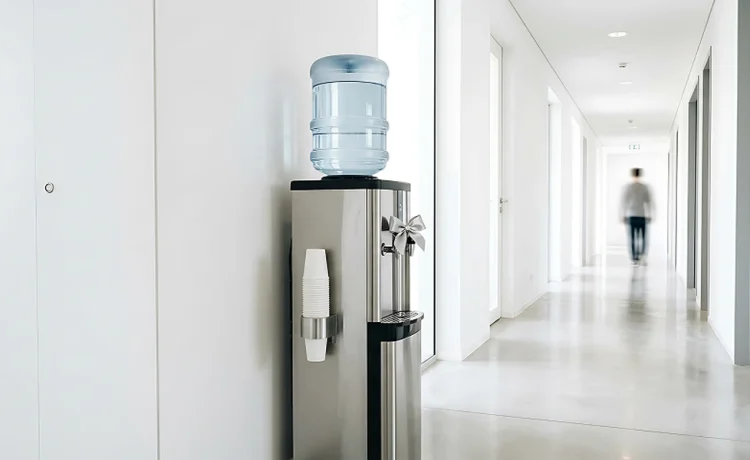
Plenty of homes and offices still have a dispenser that’s been sitting in the same corner for years. It works, the water comes out cold or hot, and nobody thinks much about it. But dispensers have changed quite a bit over that time, and newer models come with features that older ones simply weren’t built with.
One of the bigger shifts is the move towards UV water dispensers, which add a light-based treatment stage to the usual filtration. If you’re wondering whether it’s worth swapping out your current unit, it helps to look at what’s different, where older water dispensers tend to fall short and what to sort out before switching.
What Actually Changes With a UV Unit
The main difference sits inside the machine. Here’s how a typical older dispenser stacks up against a UV-equipped one:
| Feature | Typical Older Unit | UV-Equipped Unit |
| Microbe control | Relies on filters and regular manual cleaning of the tank and taps | Adds a lamp that deactivates microbes as water passes through |
| Stored water | Water sitting in the tank depends on cleaning to stay in good condition | Some models shine UV into the tank to limit growth between uses |
| Upkeep | Filter changes and periodic sanitising | Filter changes plus lamp replacement at set intervals |
None of this makes older units unsafe, but it shows how much depends on manual cleaning. With UV water dispensers, part of that job happens automatically.
Where Older Units Tend to Fall Behind
Age catches up with any appliance. Seals and tubing wear out, scale can build up around heating elements, and filters for discontinued models may get harder to find. Spare parts becoming scarce is often the first hint that a unit is nearing the end of its run.
Stored water is the other concern. Tanks, reservoirs and spouts that aren’t cleaned often enough can develop a slimy layer called biofilm, which gives bacteria somewhere to settle. Many older water dispensers rely entirely on someone remembering to sanitise them, and in a busy office, that task can easily slip down the list without anyone noticing.
A Few Questions Worth Asking First
Before replacing anything, it’s worth running through these:
- How old is your current unit? If it’s been running for many years and parts are getting tricky to source, replacing it may cost less than keeping it going.
- How often does it get cleaned? If sanitising tends to fall through the cracks, built-in UV can take some of that pressure off.
- Who’s drinking from it? Shared spaces with lots of users, like offices and clinics, have more people relying on the same tank and tap.
- What’s your water source? Mains-fed and bottle-fed setups differ, so check which UV water dispensers match your connection.
Your answers should point you towards switching now or planning for it later.
Making the Switch Without the Hassle
Once you’ve decided to upgrade, a little planning goes a long way. Measure the space where the current unit sits, check for a nearby power point and water line, and find out whether the new model needs professional installation. Some water dispensers connect straight to the mains, so there are no bottles to swap.
Don’t forget about the old unit, either. Many appliances can be recycled rather than thrown out, so look into the disposal options available in your area. It’s also worth asking about servicing for the new model upfront, so lamp and filter changes are planned from day one instead of being remembered later.
Weighing Up the Upgrade
An older dispenser can keep running for a long time, but it usually leans heavily on regular cleaning to keep stored water in good condition. A UV-equipped unit adds another layer of treatment, dealing with microbes as water moves through it and, on some models, inside the tank as well. It still needs filter and lamp changes, so it isn’t hands-off, but it does take some of the weight out of daily upkeep.
Whether the switch makes sense comes down to your unit’s age, how it’s used and how much time goes into keeping it clean. Thinking those points through, along with installation needs and running costs, makes it easier to decide whether to upgrade straight away or set aside time for it later in the year.
Contact Pure Water to compare UV models against your current setup and book an installation once you’re ready to make the change.