
Three bids. That’s the number most St. Louis homeowners hear they should collect before signing a roofing contract, and it’s decent advice as far as it goes. The problem is that three bids tell you almost nothing about whether any of those companies will still answer the phone when a shingle blows off in April.
I’ve watched neighbors in Affton and Kirkwood sign contracts in a panic after a hailstorm, then spend two summers chasing the crew that installed the roof. The bid was fine. The follow-through wasn’t. So the real question isn’t who’s cheapest. It’s who’s still going to be standing behind the work in five years, and you can usually tell before you hand over a deposit if you know where to look. Finding a Trusted roofing company in St. Louis starts with a few boring checks that most homeowners skip entirely.
What does “trusted” actually mean on a roofing contract?
Trust gets thrown around in every roofing ad in the metro, so let’s make it concrete. A trusted roofer is one you can verify. That means a real local address, a state registration you can look up, current liability and workers’ compensation coverage, and a manufacturer certification that comes with an actual paper trail.
Here’s the part that surprises people: roofing is physically dangerous work, and the Department of Labor treats fall protection as one of the most frequently cited violations in construction. If a crew shows up without proper harnesses and anchor points, your homeowner policy can end up in the conversation when someone gets hurt on your property. That’s not a scare tactic. It’s the reason you ask for a certificate of insurance before anyone climbs a ladder, and why you call the number on that certificate rather than trusting the PDF alone.
The Three-Question Filter I’d Use on Any Roofer
Forget the long checklist for a second. If you only ask three things, ask these, in this order.
- Who’s pulling the permit? In most St. Louis County municipalities, the permit is tied to the contractor, and the inspection record follows the job. If the answer is “you don’t need one,” that’s your exit.
- Who’s actually on my roof? A salesman in a clean truck is not the crew. Ask whether employees or subcontractors do the tear-off, and ask for the subcontractor’s insurance if it’s the latter.
- What happens after the check clears? Get the warranty in writing, ask who honors the labor portion, and confirm the company will still be the point of contact if the manufacturer changes hands.
I’d pick a company that answers all three without flinching over one that quotes ten percent less and gets cagey on number one. The cheaper bid usually isn’t cheaper. It’s just cheaper today.
Why storm season in St. Louis rewards patience
The metro sits in a corridor that produces hail and straight-line wind with real regularity, and the National Oceanic and Atmospheric Administration tracks severe storm reports across the region every year. What that means practically is that out-of-town crews roll in after every significant event, knock doors, and leave when the work dries up.
A local outfit has a different incentive. It has to live here. If you want a gut check on that, search the company’s name plus “complaint” and read the results with your coffee. Then ask how long they’ve operated under the current name at the current address. A one-year-old LLC with a brand-new truck and a polished website can still do good work, but you should know what you’re buying.
Certification is more than a logo on the truck
Manufacturer certification programs exist for a reason, and they’re worth understanding before you compare bids. Certified installers get access to enhanced warranties that uncertified crews simply cannot offer, because the manufacturer is backing the installation quality, not just the shingles. You can read how those programs are structured at GAF, and it’s a good way to see what the certification actually obligates a roofer to do.
Ask which certification the company holds, and then ask for the certificate. A lot of roofers will name a brand they buy from and let you assume the rest. That’s not the same thing, and the difference shows up the day you file a warranty claim.
What a straight answer sounds like when your roof is leaking
This is where the good companies separate themselves. A roofer who leads with “you need a full replacement” before climbing up is guessing at your wallet, not diagnosing your roof. The honest version sounds like this: we found the failure at the flashing around the chimney, it’s a repair, here’s what it costs, and here’s what we’d watch for next.
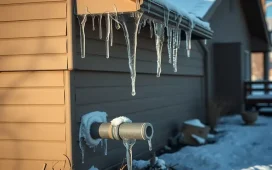
Leaks genuinely don’t always mean a new roof. Sometimes it’s a vent boot. Sometimes it’s ice dam damage from a bad February. Sometimes it is the roof, and you should hear that in plain language with photos attached, not in a pressure-filled kitchen-table presentation. Photography from the deck is the single easiest thing to ask for and the hardest thing for a bad actor to fake.
A short pre-signing checklist
Run this before you sign anything, and don’t let a salesman talk you past it.
- Look up the company’s registration with the state and note the expiration date.
- Call the insurance agent listed on the certificate and confirm coverage is active.
- Get the written scope: materials, underlayment, decking replacement terms, cleanup.
- Read the payment schedule. A large deposit before materials land is a red flag.
- Confirm who handles the permit and the final inspection.
The checklist takes twenty minutes. The roof lasts twenty-five years or more, and the contract should match that timeline in how carefully it’s written.
The bids will differ. Know why before you decide.
Two quotes for the same square footage can land thousands apart, and the gap is usually explained by things you can’t see from the driveway: the thickness of the underlayment, whether ridge venting is included, how much decking they’ve budgeted to replace, and whether the crew is employees or day labor. Ask each bidder to walk you through their line items and you’ll quickly learn which one is actually describing your roof.
St. Louis weather is hard on a house. Hail, summer heat, freeze-thaw cycles in January, and the occasional straight-line wind event all work on the same shingles year after year. You’re not buying a commodity. You’re buying a name that has to be reachable when something goes wrong, and the difference between a company that picks up in year six and one that doesn’t is usually visible in year one.
So collect your three bids, then go one step further. Ask each roofer what happens the first time you call back with a problem. The answer tells you more than the price ever will.