
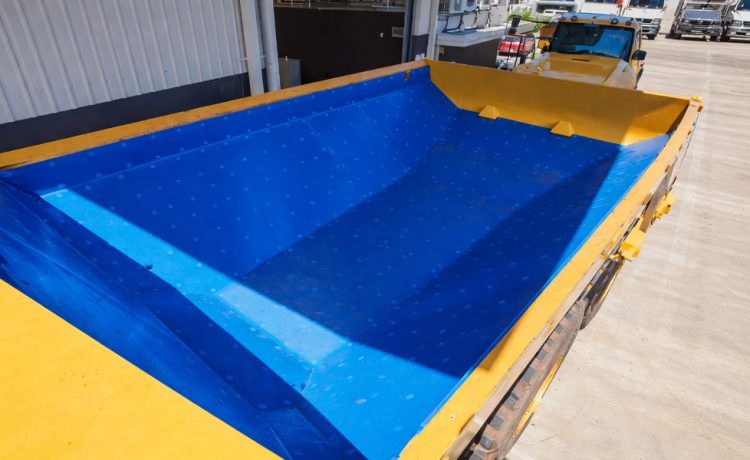
At a Glance:
- OKUSLIDE® liners protect trays from abrasion and structural wear caused by heavy, wet, and abrasive materials.
- Their low-friction surface prevents material build-ups and supports smoother, more predictable unloading.
- Reduced residue retention helps minimise cross-contamination and preserve material quality.
- By improving material flow and maintaining a lower tipping angle, OKUSLIDE® reduces equipment strain and helps lower operational costs.
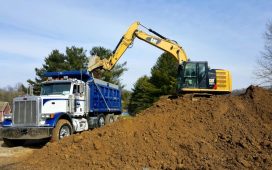
Mining, agriculture, and construction operations require transporting heavy loads, which can strain truck trays. Continuous contact with abrasive or wet materials gradually wears the truck bed surface, leaves residue, and slows tipping cycles.
These conditions often lead to accelerated wear, difficult unloading, and downtime, impacting maintenance budgets, safety, and daily productivity. If these issues are not resolved, fleet performance and operating margins begin to suffer.
To address these challenges, operators rely on OKUSLIDE® bed liners. Designed to improve material movement, reduce surface wear, and support smoother discharge, they help fleets maintain efficiency and ensure safer operations.
This article explains the key operational problems OKUSLIDE® liners are built to solve and how they help your operations run more efficiently in tough working environments.
Abrasion, Wear and Structural Damage to Truck Beds
A major problem in bulk haulage is the constant wear caused by aggregates, fertiliser, demolition waste, and similar loads. These materials grind against the steel tray during loading, transport, and tipping. This process gradually thins the tray surface and causes deep scoring. Over time, this accelerates wear, increases cracking, and weakens the body’s structural integrity.
OKUSLIDE® liners address this by acting as a protective barrier between the load and the tray. Their abrasion-resistant UHMWPE composition absorbs impact and grinding action, helping preserve the original tray thickness and keep the trays structurally sound for longer. As a result, it extended the overall service life of haulage trucks that transport harsh, abrasive loads.
Cross-Contamination Between Loads
Your haulage vehicles may have to carry various materials, and the residue left after unloading can be a significant challenge. Fine particles, fertiliser, soil, grain fragments, clay, and other materials can stick to the truck beds and carry over into the next load. This increases the risk of cross-contamination, affects product purity, and compromises load quality when different materials are carried in sequence.
OKUSLIDE® liners reduce these problems by offering a smooth, low-retention surface that sheds material more easily, preventing residue buildup and making changeovers much cleaner. This reduces the chance of residues affecting the next load, keeps products in better condition, and allows fleets to complete multiple unloading cycles more efficiently.
Safety Issues During Unloading
Irregular discharge behaviour can create serious safety risks during tipping. When material sticks, drags, or releases unevenly, operators may be forced to lift bodies higher than ideal, which raises the risk of instability and rollover. Sudden load shifts from hang-ups can put stress on hydraulics and structural components, and incomplete discharge requires manual clearing. This exposes your team to pinch points, slipping hazards, or unexpected movement during clean-out attempts.
With smoother, more controlled material release, OKUSLIDE® liners help reduce safety risks. The low-friction surface encourages even emptying at safer tipping angles, lowering the risk of unpredictable drop-outs and reducing the need for hands-on intervention. By improving unloading behaviour, it supports safer operator practices and steadier discharge cycles.
Increased Operational Costs
When loads resist movement or release unevenly, more hydraulic effort is required, increasing the chances of tipping attempts and raising fuel consumption. Manual intervention and repeated clearing add labour time and disrupt planned operating cycles. As a result, each load movement incurs higher expenses for your operation due to inefficiencies and slower operations. Moreover, if the partial loads are left behind, the repeated material loads compound over time and increase your overall operating costs.
The low-resistance surface of OKUSLIDE® helps limit these expenses by improving material release efficiency. As flow becomes more predictable, fuel demand drops, hydraulic effort is moderated, and clearing work is reduced. The outcome is lower operating cost per shift and a more efficient use of labour and equipment hours.
OKUSLIDE® bed liners directly address some of the most persistent operational problems in bulk haulage. By reducing abrasion, lowering friction, and limiting residue build-up, they support safer discharge, improve material flow, and protect tray bodies. These liners handle abrasive, wet, or mixed materials, offering a practical way to maintain efficiency and achieve stronger operational outcomes.
If you are looking to boost your haulage operations, source OKUSLIDE® liners from a professional engineering plastic supplier to ensure safer material handling and protect your fleet.