

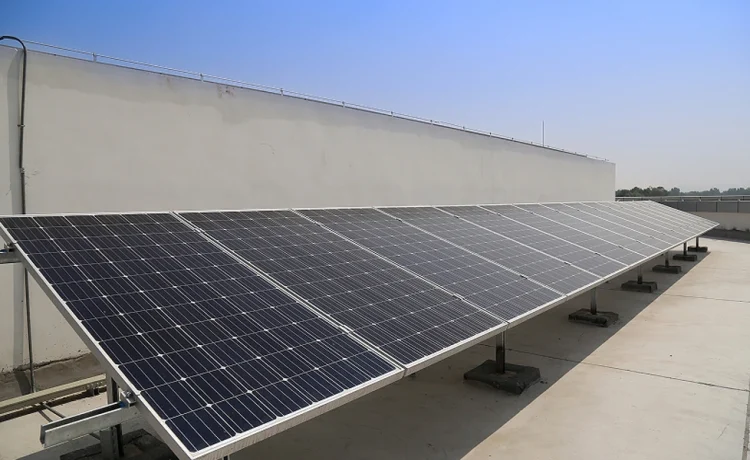
Key Highlights
- Substantial reduction in monthly operational expenses by generating free energy from the sun.
- Enhanced corporate reputation by demonstrating a genuine commitment to environmental sustainability.
- Increased stability for the power supply in Singapore by reducing reliance on the national grid during peak hours.
- Access to government grants and tax incentives that significantly lower the initial investment cost.
Introduction
As Singapore moves towards its Green Plan 2030, businesses across the island are increasingly looking for ways to modernise their energy infrastructure. One of the most effective strategies for achieving this transition is through commercial solar installation. For a long time, solar energy was seen as a niche luxury, but technological advancements and falling equipment costs have made it a viable mainstream solution. By harnessing the abundant tropical sunshine, companies can take greater control over their energy procurement and reduce their carbon footprint. This shift not only aligns with national environmental goals but also provides a distinct competitive advantage in an era where consumers and investors value sustainability. Understanding the tangible benefits of this technology is the first step for any business leader looking to future-proof their operations.
Significant Reduction in Operational Costs
The most immediate and compelling reason for a commercial solar installation is the impact on the bottom line. Electricity prices can be volatile, often influenced by global fuel costs and market fluctuations. By generating a portion of your own electricity on-site, you reduce the amount of power you need to purchase from the grid. Over the lifespan of a solar system, which typically exceeds twenty-five years, the savings can be enormous. Once the initial investment is recouped, the energy produced is essentially free. For businesses with large roof spaces and high daytime energy demands, such as manufacturing plants or logistics hubs, the return on investment is particularly rapid and significant.
Meeting Sustainability and ESG Goals
Environmental, Social, and Governance (ESG) criteria are now a major factor in how stakeholders evaluate businesses. A commercial solar installation provides clear, measurable proof of a company’s commitment to reducing its environmental impact. Using clean energy reduces the indirect emissions associated with purchased electricity, which is a key component of corporate carbon reporting. This proactive approach to sustainability can help a business attract environmentally conscious clients, secure better financing terms, and improve employee morale. In a market where many companies are only just beginning their green journey, being an early adopter of solar technology sets your brand apart as a leader in corporate responsibility.
Stabilising the Power Supply in Singapore
Rapid urbanisation and industrial growth put immense pressure on the national grid. By integrating solar energy into your facility, you contribute to a more resilient power supply in Singapore. On-site generation reduces the grid’s peak load during the hottest parts of the day when air conditioning usage is at its highest. This distributed generation model helps the energy market manage demand more effectively and can prevent the infrastructure from being overtaxed. For the business owner, this often translates to a more reliable energy source. In some cases, excess energy generated by your solar panels can even be sold back to the grid, creating a secondary revenue stream and further enhancing the stability of the national energy ecosystem.
Government Incentives and Tax Benefits
The Singaporean government offers various schemes to encourage the adoption of renewable energy among businesses. These include capital grant schemes and accelerated depreciation allowances for energy-efficient equipment. Such incentives can significantly lower the barrier to entry by reducing the upfront cost of a commercial solar installation. Furthermore, the local regulatory environment has been streamlined to connect solar systems to the grid easier than ever before. By taking advantage of these programmes, businesses can achieve a faster payback period and enjoy the benefits of solar energy with minimal financial risk. It is a strategic move that combines financial pragmatism with a forward-looking environmental vision.
Conclusion
The case for adopting solar technology in the corporate sector has never been stronger. Between the substantial cost savings, the positive impact on the power supply in Singapore, and the long-term environmental benefits, solar energy represents a smart investment for any ambitious organisation. As energy prices continue to be a significant concern for business owners, the ability to generate clean, predictable power on-site is a major asset. Transitioning to renewable energy is no longer just a trend; it is a fundamental shift in how businesses operate in the 21st century. By exploring solar options today, you position your company at the forefront of the green economy while securing your financial future.
Contact Flo to speak with our renewable energy experts today and explore how solar energy can transform your business.