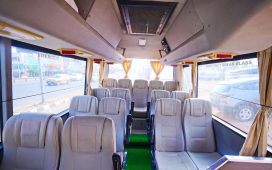


Last spring, a tour operator I know booked 47 rooms at a property that looked perfect online. Great reviews. Affordable rates. Free breakfast. What the listing didn’t mention was that the coach couldn’t fit through the porte-cochere, the lobby had exactly two luggage carts, and the group check-in desk closed at 9 p.m. sharp. His passengers spent 40 minutes standing in a parking lot while he sorted it out. Nobody complained to his face. Three of them never booked with him again.
The hotel is the single biggest variable in a motorcoach trip. Get it right and your passengers remember the destination. Get it wrong and they remember the parking lot. This guide walks you through how to evaluate properties for group travel, what questions to ask before you sign anything, and how to match the right property to the right itinerary.
Why Motorcoach Groups Have Different Needs
A family of four checking into a hotel needs a clean room and a decent breakfast. A motorcoach group of 45 needs an entirely different infrastructure. You’re not just booking beds. You’re booking logistics.
Start with the physical property. Can a 45-foot coach pull into the driveway and turn around without backing up? Is there dedicated motorcoach parking, or will the driver be circling the block? Does the property have a covered drop-off zone so passengers aren’t unloading luggage in the rain? These aren’t minor details. They can make or break the first impression of your entire trip.
Then look at the human side. A group check-in for 45 people at a standard front desk takes forever. Properties that regularly host Motorcoach groups have separate group entrances, pre-keyed rooms, and a dedicated coordinator who hands you a packet and points everyone toward the elevator bank. That’s the difference between a 15-minute arrival and a 90-minute ordeal.
The Questions That Separate Good Properties From Great Ones
When you call a property, the sales manager will tell you everything is possible. Your job is to find out what’s actually true. Here’s what I ask every time, in roughly this order:
- How many coaches can you park at once? If they say “plenty,” ask for a number. A property that hosts one coach a month is different from one that handles six simultaneously every Tuesday.
- Is there a separate group entrance? If not, can they open one for your arrival window?
- What’s your baggage handling process? Do they have staff to move 60-plus bags, or is your driver doing it alone?
- Can you block rooms on a single floor? Groups that get scattered across six floors create chaos for wake-up calls and meeting times.
- What’s the cancellation policy for room blocks? Tour operators know that final counts shift. You need flexibility built in.
I’d take a property with mediocre rooms and excellent group logistics over a gorgeous property that’s never handled a coach in its life. Every single time.
Matching the Property to the Itinerary
The best accommodations for your group depend entirely on what your passengers are doing. A few scenarios:
City tours with daily departures. You want a property near major attractions with easy highway access. Downtown properties can work if they have a dedicated loading zone, but suburban properties with shuttle service often save you an hour of traffic frustration every morning.
Multi-night destination stays. When your group is staying put for three or four nights, on-property amenities matter more. Restaurants, lounges, walking paths, and accessible common areas give passengers something to do during downtime without needing the coach.
One-night layovers. Efficiency wins here. You want quick check-in, quick checkout, and a breakfast that starts early enough for a 7 a.m. departure. Fancy lobbies mean nothing when you’re back on the road in 10 hours.
According to data from the U.S. Census Bureau, domestic travel volume has rebounded significantly in recent years, and group travel has followed that trend. More coaches on the road means more competition for the properties that actually know how to handle them. Book early.
Negotiating the Room Block
Room block negotiations for groups differ from standard reservations in ways that matter. You’re not just asking for a discount. You’re asking for operational commitments.
Lead with your numbers: how many rooms, how many nights, and how many coaches. Properties that understand group business will respond with a contract that includes specific language about parking, baggage handling, and check-in procedures. If they don’t include those details, ask for them in writing.
Don’t be afraid to walk away. There are more properties than there are well-organized tour operators. The U.S. Small Business Administration notes that small businesses in the travel and tourism sector often succeed by building repeat relationships with vendors who understand their specific operational needs. A property that treats your group like 45 individual reservations isn’t a property you want to return to.
Red Flags to Watch For
Some warning signs show up before you ever sign a contract:
- The sales contact won’t put parking guarantees in writing
- The property has no photos of its group entrance or motorcoach area
- Reviews from other tour operators mention slow check-in or unhelpful staff
- The rate seems too low for the amenities promised
- They can’t tell you how many coaches they’ve hosted in the past month
One of these is a conversation. Two or more is a pass.
Building a Repeat Partnership
The best tour operators I know don’t shop for a new property every season. They build relationships with two or three properties in each region they serve, and those properties learn their preferences. The group coordinator knows the driver’s name. The kitchen knows the group wants coffee ready at 6:30.
The front desk has keys pre-programmed before the coach pulls in.
That kind of relationship takes time, but it pays off in smoother trips and happier passengers. When you find a property that gets it, treat it like a partnership, not a transaction. Many established tour operators maintain preferred vendor lists with properties they trust, and for good reason.
If you’re planning a trip to the South Carolina coast, established properties like Myrtle Beach motorcoach for group accommodations specialize in exactly this kind of service and understand what group travel requires from arrival to departure.
A Simple Checklist Before You Book
Before you commit to any property for a group trip, run through these points:
- Confirm coach parking capacity in writing
- Ask about group check-in procedures and timing
- Verify baggage handling staff and process
- Confirm room block flexibility and cancellation terms
- Check proximity to your daily itinerary stops
- Ask for references from other tour operators
- Visit the property in person if your schedule allows
That last one matters more than most operators admit. Photos lie. Driveways don’t. If you can’t visit, ask for a video walkthrough of the arrival area and group entrance. A five-minute video will tell you more than an hour of sales calls.
National parks remain one of the most popular destinations for group tours, and the National Park Service manages visitor services at hundreds of sites across the country. If your itinerary includes those stops, confirm that your hotel choice makes sense for early departures and late returns, because park traffic doesn’t wait for anyone.
Final Thoughts
The property you choose shapes how your passengers experience the entire trip. Nail the logistics and they’ll remember the sights you showed them. Miss the basics and they’ll remember standing in a parking lot with their luggage. Take the time to ask the right questions, get commitments in writing, and build relationships with properties that understand group travel. Your future trips will run smoother, and your passengers will notice.