
Key Takeaways
- Immediate safety actions reduce risk before professionals arrive.
- Simple steps can limit structural and furniture damage.
- Early documentation helps streamline insurance and recovery processes.
Introduction
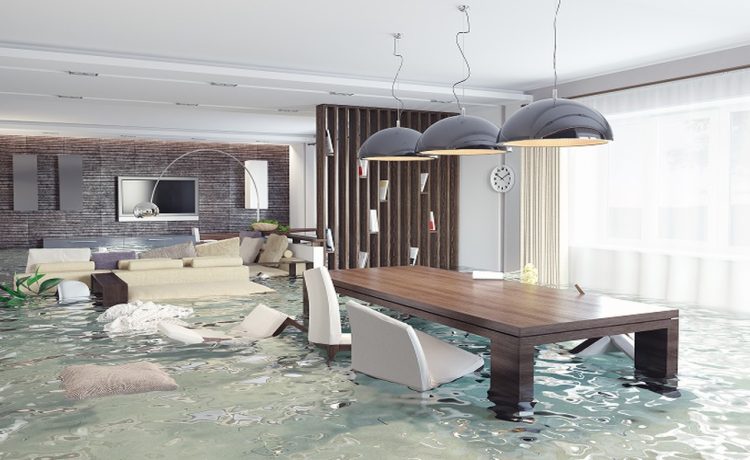
Responding quickly before flood cleaning services arrive can make a significant difference in how much damage your home sustains during a flood. Water can spread rapidly through flooring, furniture, and electrical systems, especially in dense residential environments where drainage may take time to stabilise. Many homeowners focus on calling for help first, yet the actions taken in the first few moments often shape how effective emergency flood services can be once they reach the property. Understanding what to do while waiting helps reduce risks to personal safety and prevents avoidable damage that could worsen over time.
1. Move to a Safe and Elevated Area
Rising water levels create immediate safety concerns, especially when currents become unpredictable. Moving family members and pets to a higher level reduces exposure to contaminated water and limits the risk of slips or injuries. Even in situations where flooding appears manageable, conditions can change quickly, which makes early relocation a practical precaution. Prioritising safety ensures that no one remains in areas where water continues to rise or where movement becomes restricted.
2. Use Protective Clothing Before Contact
Floodwater often carries debris, bacteria, and chemical residue that can irritate the skin or lead to infection. Wearing protective gear such as rubber boots and gloves creates a barrier that reduces direct contact with contaminated water. This precaution becomes especially important when moving items or checking affected areas. Taking a moment to wear proper protection helps prevent avoidable health issues that could complicate recovery after the flood subsides.
3. Elevate Furniture and Valuables
Water damage spreads quickly through porous materials, particularly wood and fabric. Lifting furniture onto higher surfaces or placing protective barriers beneath legs reduces the amount of water absorbed. Even small adjustments can limit how deeply moisture penetrates, which makes restoration more manageable later. Acting early allows homeowners to protect essential items before water levels stabilise or before professional assistance arrives.
4. Keep Drainage Points Clear
Blocked drainage slows down the natural flow of water away from the property, which can prolong flooding conditions. When it is safe to do so, checking floor traps or nearby drainage points helps improve water movement. Removing visible debris allows water to recede more efficiently, reducing the overall impact on flooring and walls. This step supports the work of flood cleaning services by preventing additional accumulation that could complicate extraction efforts.
5. Secure Loose Outdoor Items
Outdoor items can become hazards during flooding as water moves them across open spaces. Lightweight furniture, plant pots, and loose materials may block drainage or collide with property surfaces. Securing these items helps prevent further obstruction and limits potential damage. Addressing outdoor areas early ensures that water flow remains as unobstructed as possible during the initial stages of flooding.
6. Avoid Electrical Fixtures and Appliances
Water and electricity create a dangerous combination that requires careful attention. If water levels approach electrical outlets or appliances, avoid contact with these areas entirely. Attempting to switch off devices or move equipment while standing in water increases the risk of electric shock. Waiting for emergency flood services to confirm that the area is safe ensures that no additional hazards arise during the response process.
7. Document Visible Damage Early
Recording the condition of affected areas helps create a clear reference for future claims or repairs. Taking photos or noting damaged items while waiting for flood cleaning services provides a starting point for assessing losses. This process becomes easier when done early, as items may shift or deteriorate further once water begins to recede. Maintaining a simple record supports communication with insurers and contractors during the recovery stage.
Conclusion
Flood situations develop quickly, yet early actions can influence how effectively recovery efforts proceed. By focusing on safety, protection, and preparation, homeowners create conditions that allow professionals to work more efficiently once they arrive. These steps do not replace professional services, but they support a smoother transition from immediate response to structured restoration.
Contact BELFOR Restoration Services for immediate flood cleaning services to begin safe water removal and recovery.