

Key Takeaways
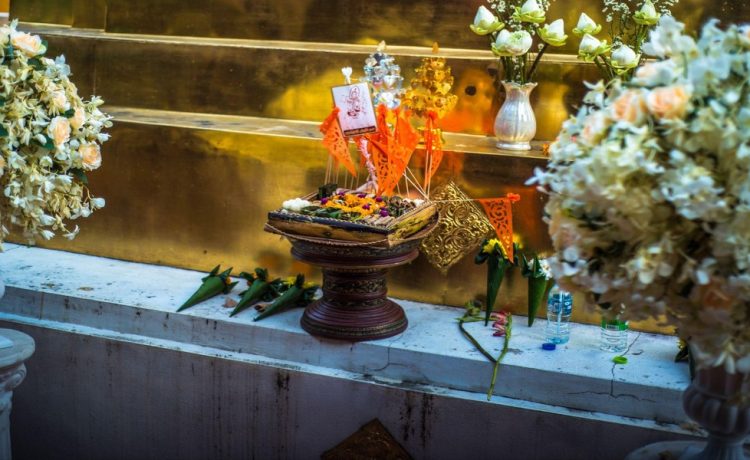
- Incense, flowers, and offerings play symbolic roles in Buddhist funeral services, reflecting Buddhist teachings about impermanence, respect, and compassion.
- Incense represents purification and the intention to guide the deceased on their spiritual journey.
- Flowers remind attendees of life’s temporary nature and encourage reflection on impermanence.
- Offerings symbolise generosity and merit, which families dedicate to the deceased.
- These rituals help families maintain cultural traditions while honouring the life of the departed.
Introduction
Ritual objects used in Buddhist funeral services are not decorative elements. Each item carries a clear symbolic meaning rooted in Buddhist philosophy. Incense, flowers, and offerings are among the most recognisable elements present during the wake and funeral rites. Families and attendees participate in these rituals not only as a gesture of respect but also as a way to reflect on the teachings of impermanence, compassion, and the continuation of life beyond death.
These practices, in many funeral services in Singapore, are carefully arranged by funeral directors in coordination with monks or religious advisors. Knowing the symbolism behind these objects helps families appreciate the deeper purpose of the ceremony and ensures that rituals are carried out respectfully and meaningfully.
Incense as a Symbol of Purification and Respect
Incense is one of the most central elements in Buddhist funeral services. Once family members or visitors light incense sticks, the act is both symbolic and participatory. The rising smoke represents the purification of the environment and the clearing of negative influences. It also symbolises the transmission of prayers and intentions from the living to the spiritual realm.
The fragrance of incense serves another purpose: it creates a calm and reflective atmosphere during the wake or funeral ceremony. Buddhist teachings emphasise mindfulness, and the act of lighting incense encourages attendees to pause, bow, and reflect on the life of the deceased. The ritual, in this sense, becomes a moment of meditation rather than a simple gesture of condolence.
Incense offering typically takes place when visitors arrive to pay respects. They bow before the altar, light incense, and place the sticks in a burner positioned near the photograph or casket of the deceased. This sequence symbolises respect for the departed while also expressing compassion and well wishes for their spiritual journey.
Flowers as a Reminder of Impermanence
Flowers are another common feature of Buddhist funeral services, often arranged around the altar or placed near the casket. Unlike permanent decorations, flowers gradually wilt and fade. This natural process carries an important symbolic message in Buddhist philosophy: all things in life are temporary.
The presence of flowers encourages mourners to reflect on the transient nature of existence. Just as flowers bloom and fade, human life follows a similar cycle. The symbolism is not meant to create sadness but to reinforce acceptance of impermanence, a core teaching within Buddhism. Recognising that life is temporary can help individuals develop a greater appreciation for the present moment.
Floral arrangements at funeral services are typically simple and respectful. White flowers are commonly chosen because they represent purity and sincerity. Funeral directors often coordinate these arrangements as part of the ceremonial layout, ensuring they align with Buddhist traditions while maintaining a dignified atmosphere for family and visitors.
Offerings as Acts of Merit and Generosity
Offerings placed at the altar are another meaningful component of Buddhist funeral services. These offerings may include fruits, vegetarian food, tea, or symbolic items presented to monks and dedicated to the deceased. The act of giving reflects the Buddhist principle of generosity, known as “dāna.”
Families offer these items not because the deceased requires material support, but because the act of generosity creates merit. This merit can be dedicated to the departed, supporting their spiritual progress in the next stage of existence. The ritual, therefore, becomes a way for family members to continue caring for their loved one even after death.
Offerings within funeral services are often prepared by the family and arranged on the altar throughout the wake period. Monks may conduct chanting ceremonies where these offerings are formally dedicated. The process reinforces the idea that compassion and generosity remain important even in moments of grief.
Conclusion
Incense, flowers, and offerings each carry a distinct meaning in Buddhist funeral services, reflecting core Buddhist teachings about respect, impermanence, and generosity. These objects transform the funeral environment into a space for reflection, allowing families and attendees to honour the deceased while engaging with meaningful spiritual practices.
These rituals are carefully guided by experienced funeral professionals who understand the importance of maintaining religious traditions. Families can approach the ceremony with greater understanding and ensure that the farewell to their loved one is both respectful and spiritually significant by recognising the symbolism behind these elements.
Contact Casket FairPrice and let us guide your family through each step with clarity and care.